
01
Spatial baseline
Combine spatial models, plans and site coordinates into a calibrated and extensible operational foundation
Establish the spatial base
Digital Twin & Embodied Device Collaborative Scheduling
Unify spatial context, device twins and intelligent scheduling so robots, sensors, environmental state and operational tasks can be sensed, simulated and coordinated in one living scene
The platform turns a campus, factory or indoor site into a computable environment and continuously maps device location, trajectory, state, task and anomalies into it, creating one operating context for situational understanding, task orchestration and field coordination
Combine spatial models, plans and site coordinates into a calibrated and extensible operational foundation
Bind robot and sensor identity, capability, location and operating state to their spatial entities
Unify trajectories, tasks, energy and alerts in a continuously changing digital operational view
Evaluate capability, availability, access conditions and task priority to expose conflicts and boundaries
Connect task orchestration, execution and feedback so multiple devices remain aligned as conditions change
Device types, spatial constraints and task priorities change continuously on a live site. When spatial models, device data and business systems remain separate, operators see only fragments and cannot assess conflicts, route risks or downstream impact with confidence
Models, asset records and telemetry are maintained separately, making it difficult to keep digital location and physical state aligned. Spatial relationships cannot inform device decisions, reducing the twin to a static visual layer
Robots, sensors and tasks expose state in different systems while location, trajectory, capability and anomalies lack a common representation. Operators must reconcile multiple interfaces before understanding the site
Urgent work, device failure, blocked access and shifting priorities continually invalidate the plan. Without global constraints, local adjustments can create waiting, conflict and underused resources
A unified spatial model carries environment, device and task relationships, continuously blending live state with execution constraints so awareness, anomaly reasoning and scheduling operate as one chain
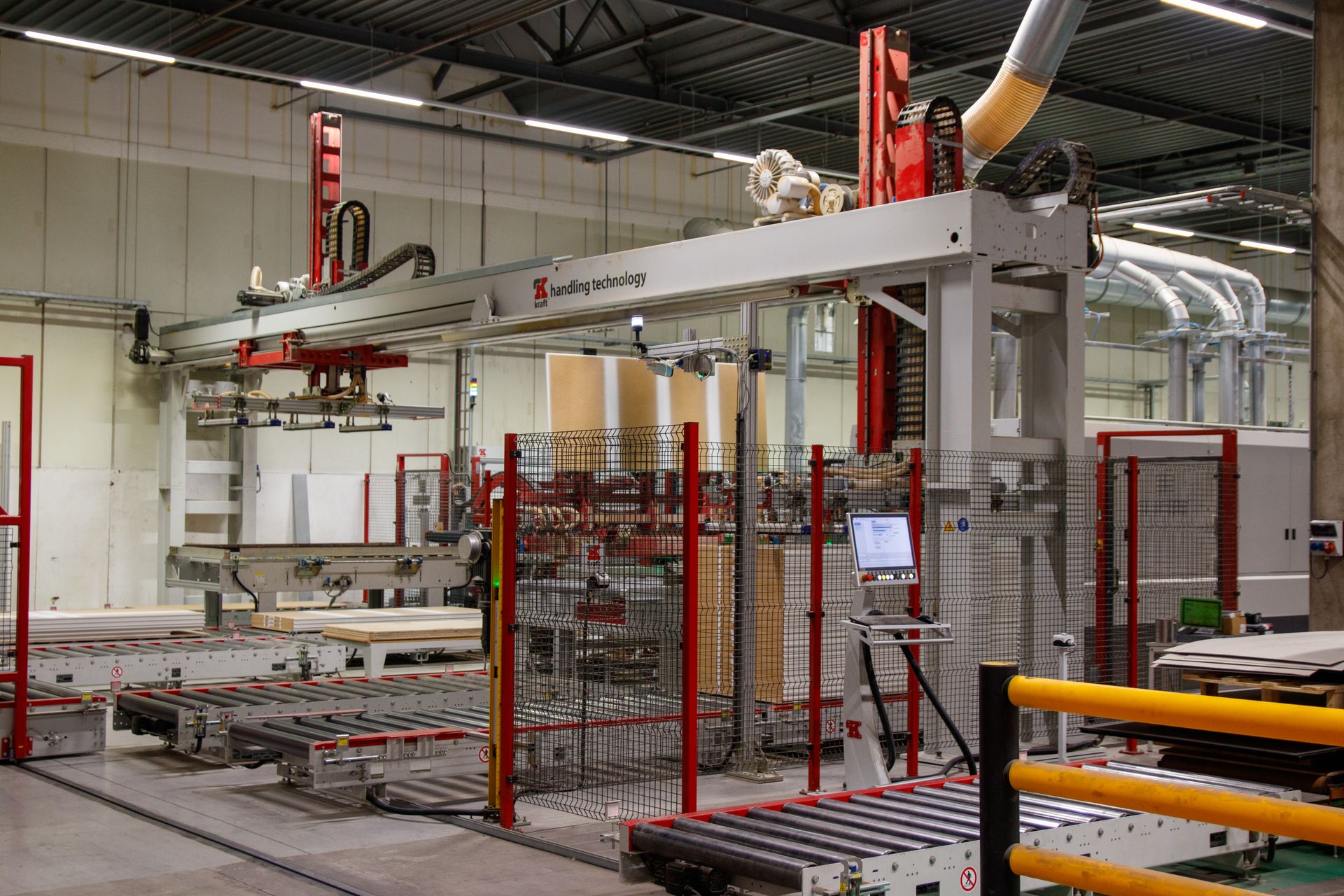
Represent structures, device entities, location relationships and moving trajectories in one model that remains locatable, connected and continuously calibrated
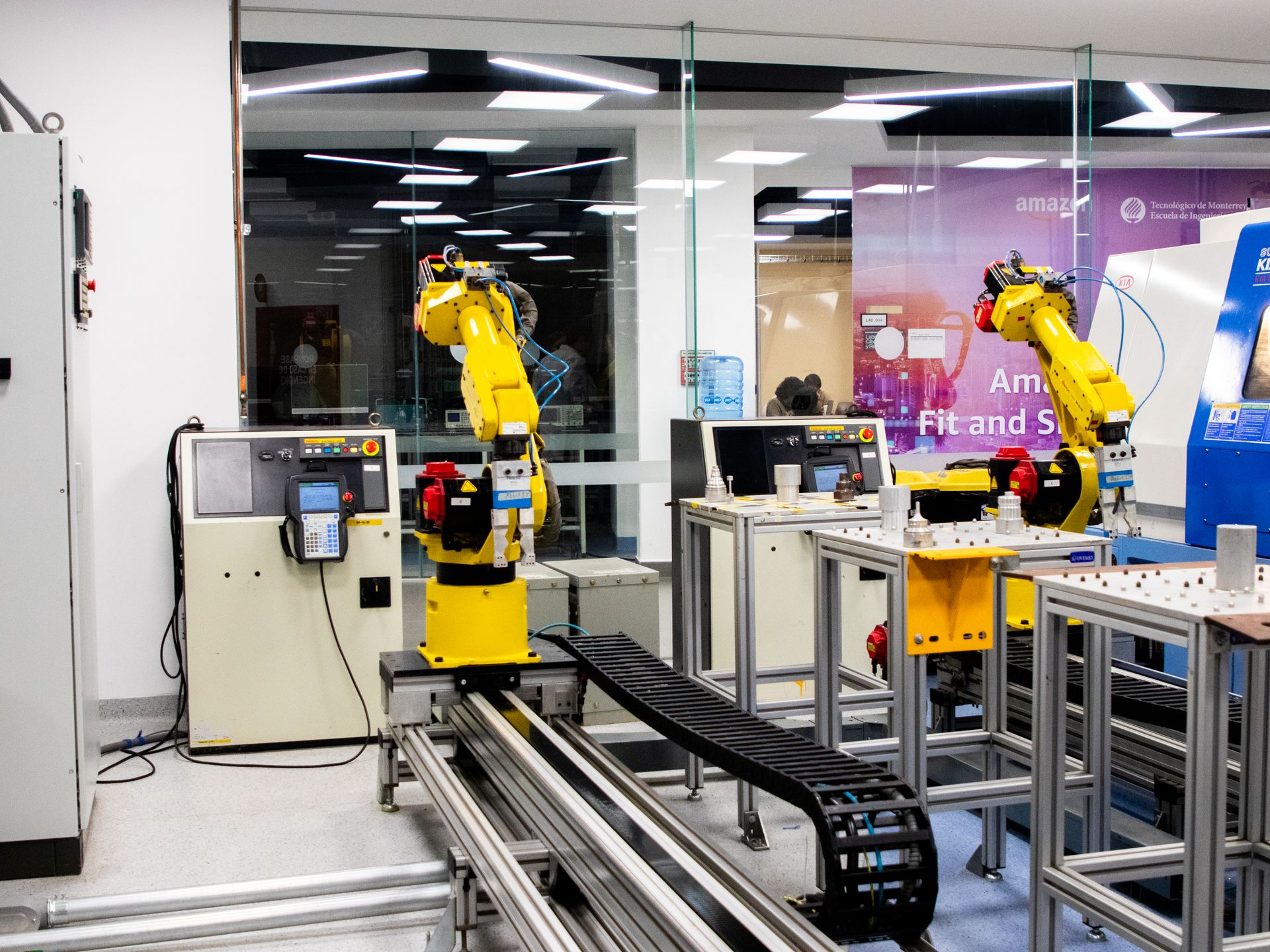
Combine telemetry, sensor data, task progress and anomaly signals in one digital field to reconstruct live conditions and identify states that threaten continuity
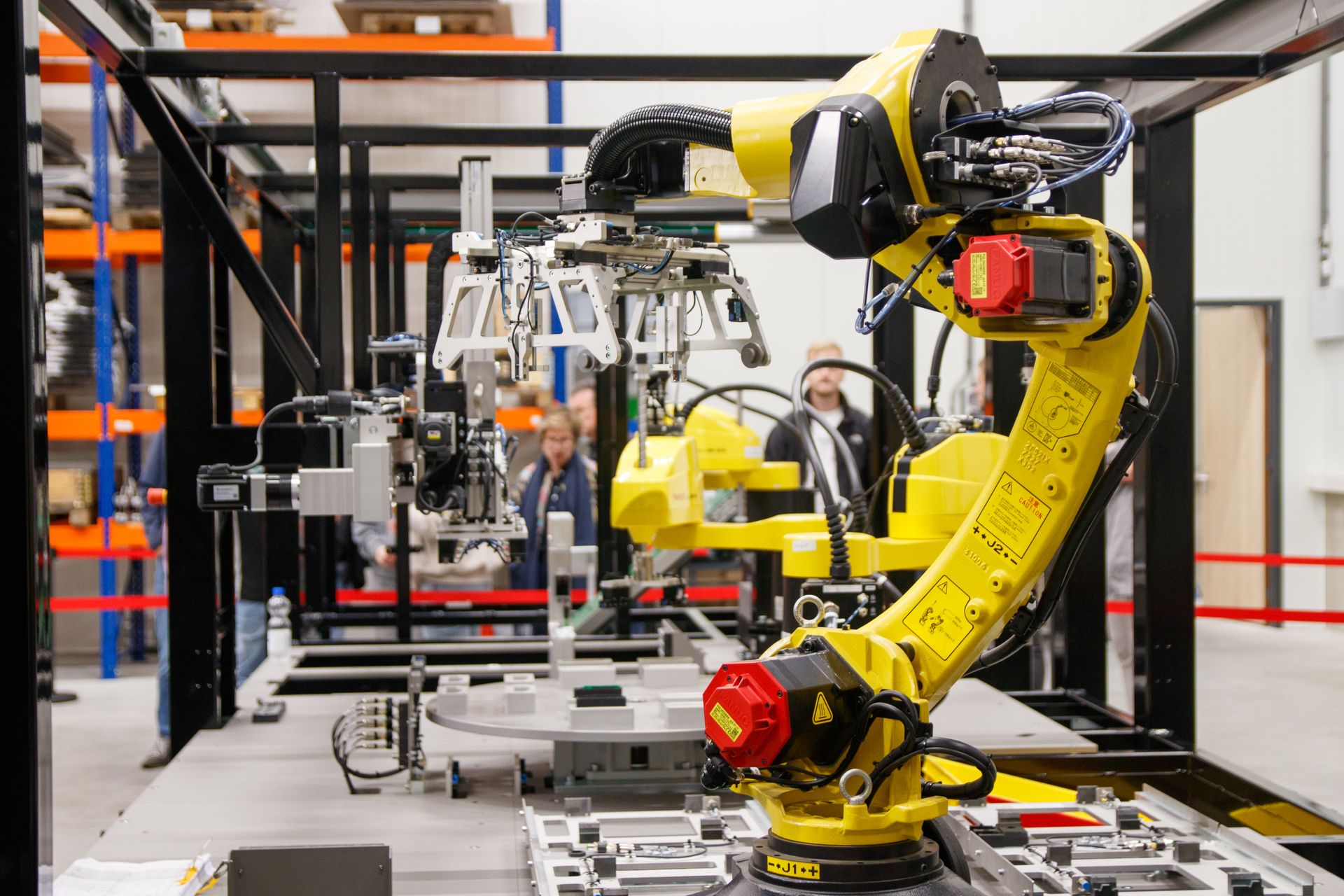
Generate coordinated plans from device capability, time windows, access and resource occupancy, then reassess impact when urgent work, faults or environmental change occur
After space and devices are mapped, the platform receives live state and operational tasks, validates constraints, sends coordinated actions and returns execution feedback to keep the twin aligned with the physical site
Unify models, coordinates and scene structure
Bind identity, capability and live state
Combine location, trajectory, task and alerts
Validate resources, routes and constraints
Return task results to the digital twin