
Identify the service need
Confirm the service, identity and document requirements.
Understand the requestService Hall Flow Orchestration
Connect appointments, identity checks, routing and call-ups so queues adapt as visitor demand and counter capacity change.
Identify the visitor, service request, document status and complexity. Use service dependencies, counter skills, live load and expected duration to route visitors and adjust capacity under pressure.
Confirm the service, identity and document requirements.
Understand the requestIncomplete information leads visitors to the wrong queue or sends them back to gather documents.
Visitors may need multiple steps and can lose their place when transferred.
Different service times and sudden disruptions can cause congestion while other counters are idle.
Services vary in documents, duration and required expertise. Arrival-order queues alone can send visitors to the wrong counter, overload others and magnify local disruptions.
Connect the visit purpose, document conditions and counter skills, then use live traffic to anticipate pressure and reorganise affected service paths.

Identify the service and relevant prerequisites before or at check-in.
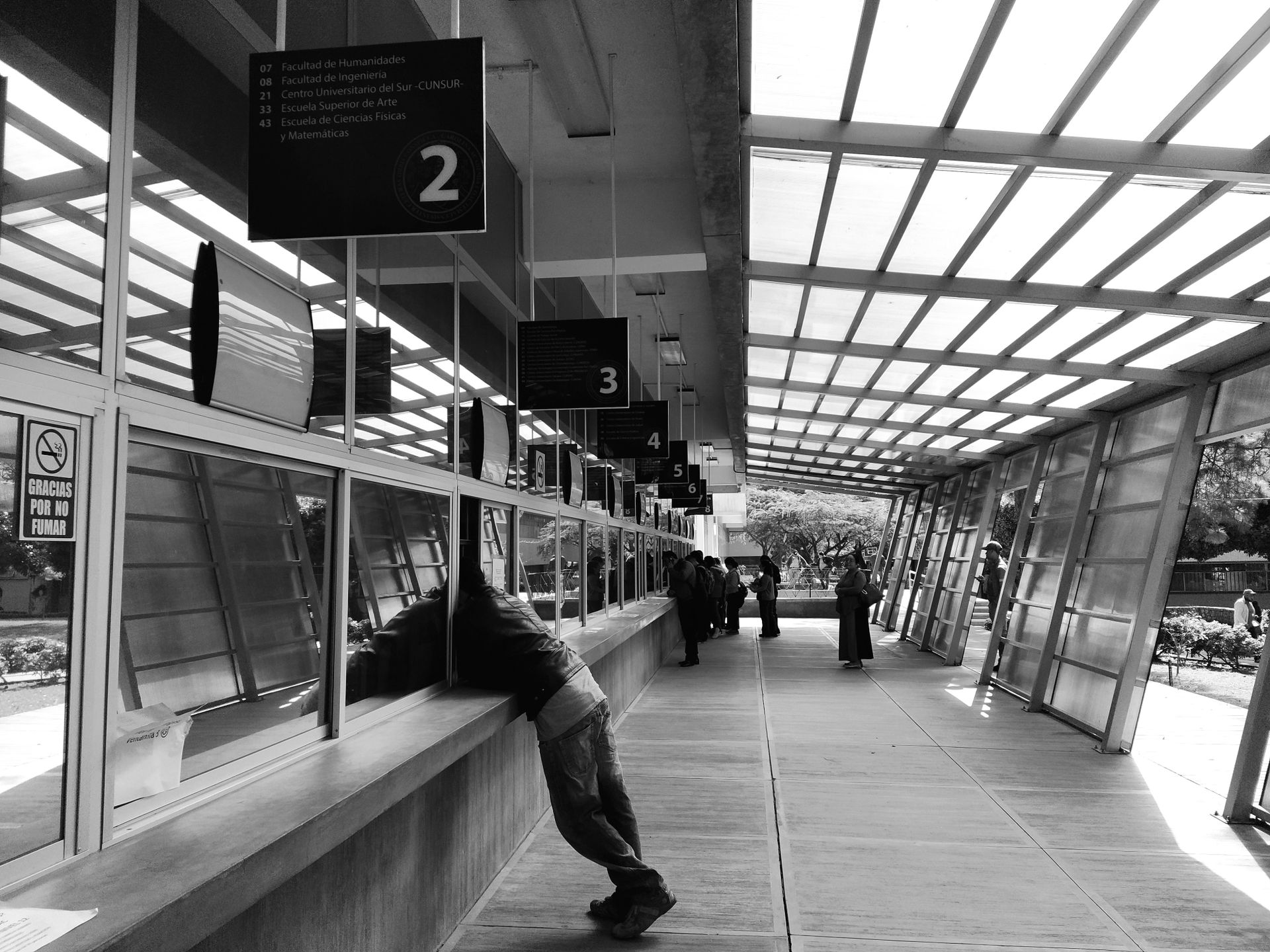
Use prerequisites and counter capacity to organise routing, calls and transfers.

Detect pressure as traffic changes and rebalance queues and service assignments.
Identify the request before arrival, verify identity at check-in and synchronise queue calls, displays and announcements. Reroute exceptions and report their status.
Identify the requested service and its conditions.