
01
Understand task conditions
Capture routes, time windows, load and priorities.
Make requirements explicit
Constraint-Based Vehicle Task Orchestration
Interpret task conditions and resource states, then assess the wider impact of new jobs, cancellations or breakdowns and propose executable schedules.
Model origins, destinations, time windows and payload alongside vehicle and staff capabilities. Identify conflicts and resource commitments, then compare alternatives for delivery, efficiency and continuity.
Capture routes, time windows, load and priorities.
Track vehicle and staff locations, availability and capacity.
Link tasks to resources and detect conflicts across the schedule.
Assess schedule changes against service commitments and resource costs.
Use location, progress and exceptions to revise the plan.
One change can affect vehicle position, working hours, later time windows and capacity. A local fix can move the conflict downstream, creating delays, waiting or empty trips.
Tasks and resource availability are maintained separately, obscuring what can be dispatched.
Time windows, capacity and staffing can invalidate an apparently feasible assignment.
New work, cancellations and breakdowns can affect several later assignments.
Compare feasible alternatives against operating objectives and present the reasons for each recommendation before a dispatcher confirms it.
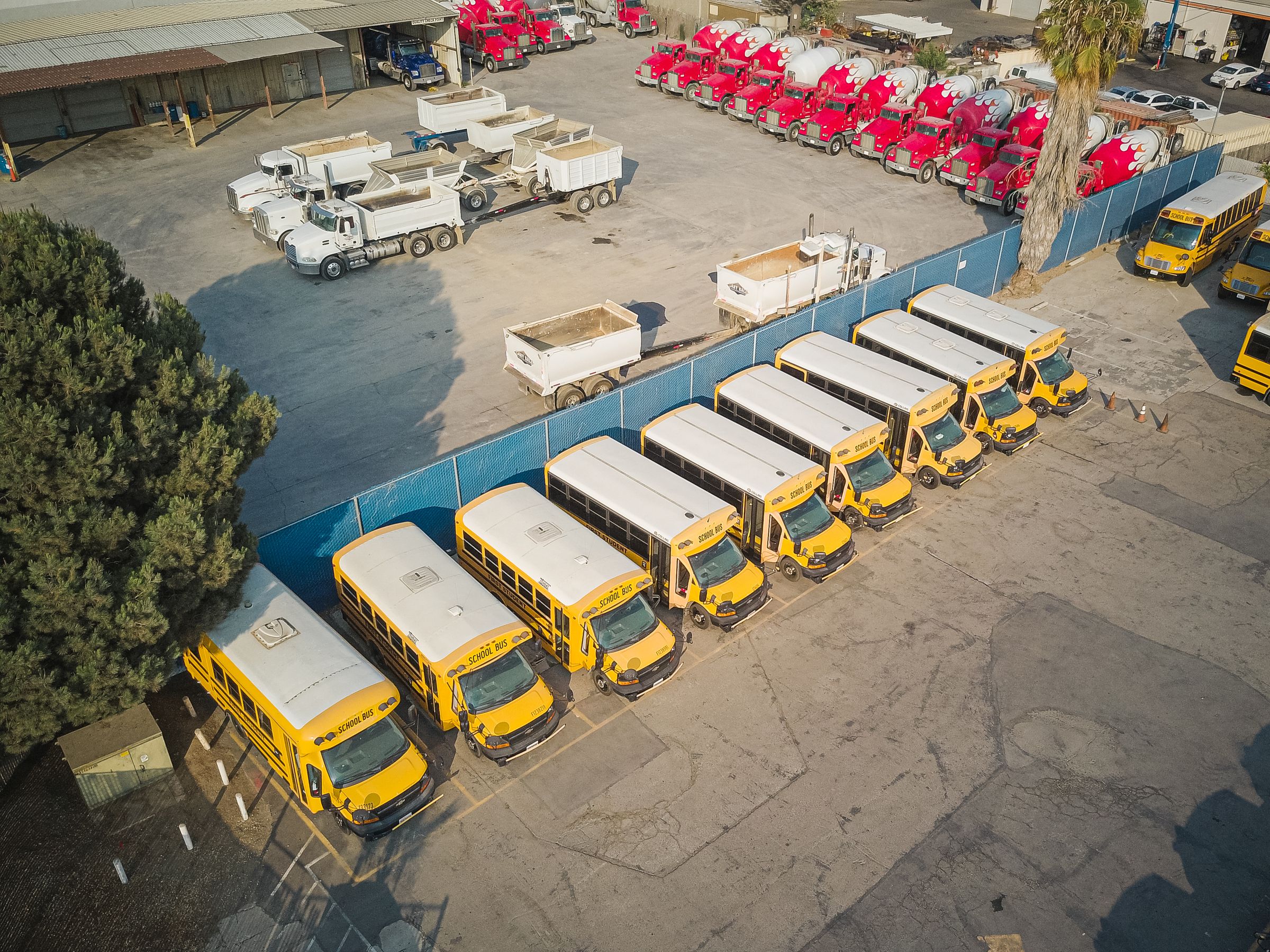
Combine live vehicle, staff and task status into a common scheduling context.

Detect conflicts and trace how they propagate through assignments and time windows.
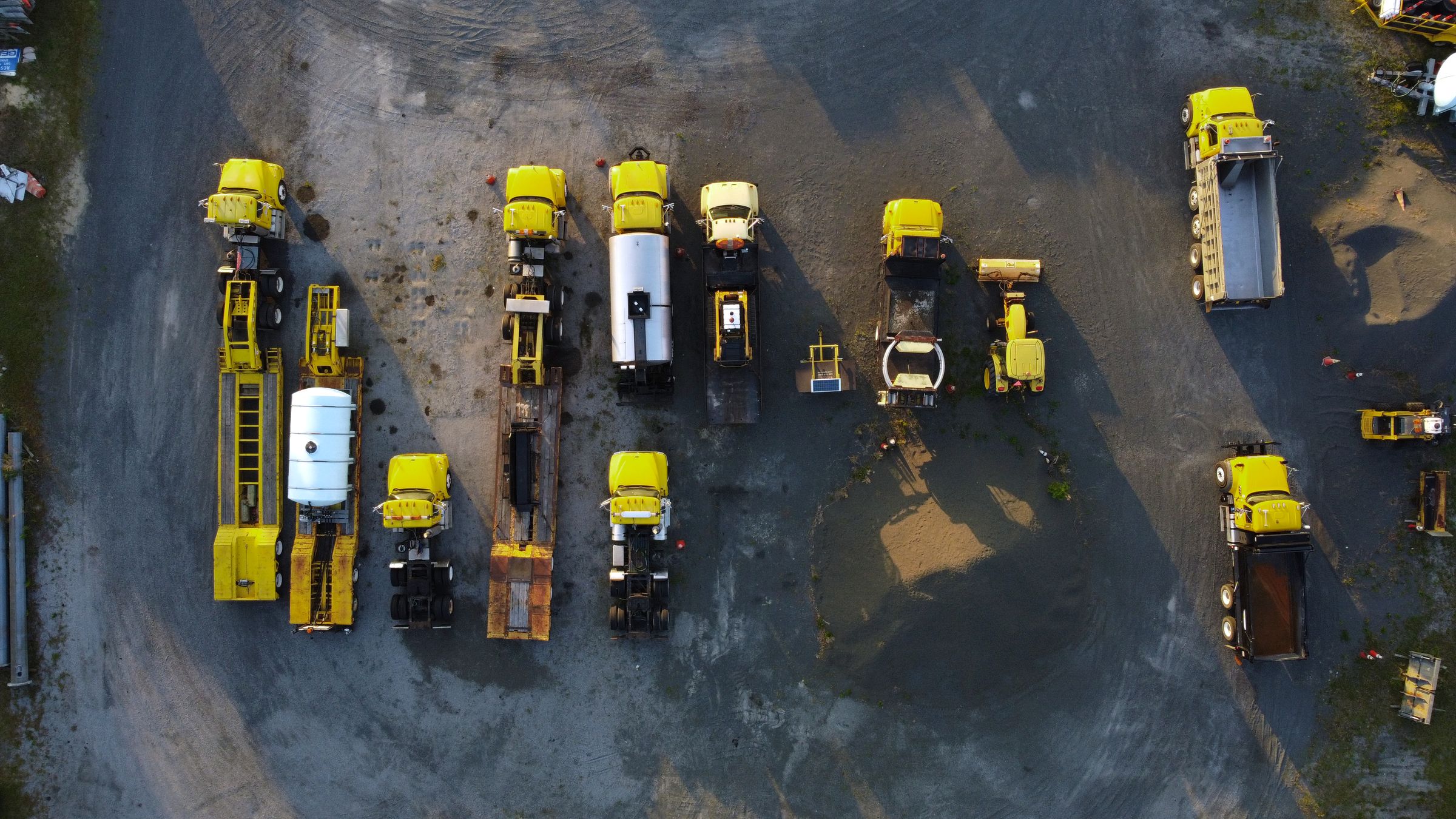
Recalculate feasible assignments when conditions change and present their trade-offs.
Generate schedules from task constraints, monitor execution and communicate any necessary revisions to the people affected.
Identify conditions, time windows and priorities.
Gather live availability and capacity.
Check constraints and compare assignments.
Collect location, progress and exceptions.
Confirm revised assignments and notify affected teams.