
01
Understand the dining context
Identify the party, table, preferences and service stage.
Capture the guest need
Restaurant Store Transaction & Fulfilment Collaboration
Connect waiting, ordering, preparation and settlement using customer preferences, dining room state and kitchen capacity.
Capture tables, party size, preferences, dish options and meal progress. Use availability, preparation sequence and kitchen load to reprioritise tasks when guests add, cancel or change orders.
Identify the party, table, preferences and service stage.
Translate selections and changes into structured order items.
Track inventory, preparation steps and workload.
Prioritise items as orders and capacity change.
Reconcile serving status, changes and settlement.
Table changes, preferences and additions arrive while stock and kitchen load shift. Handwritten or verbal updates can lead to missing orders, wrong dishes and billing disputes.
Additions, cancellations and preferences must reach every station accurately.
Stock outages and kitchen bottlenecks change which dishes can be prepared and when.
When preparation and serving status diverge, staff must repeatedly check and reconcile orders.
Track intent, tables, dish relationships, stock and workload together so service and kitchen staff can adjust to the same information.
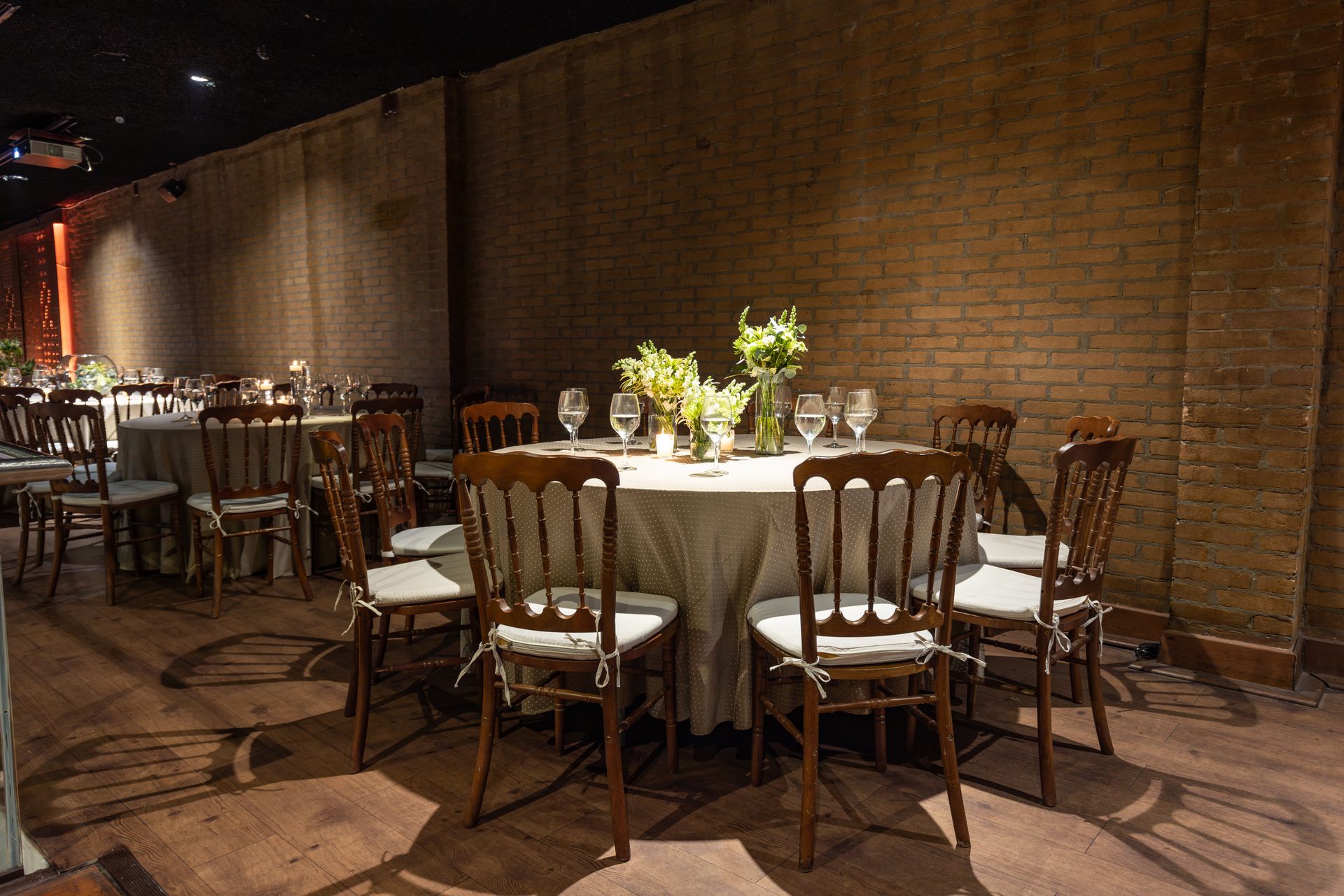
Carry party, table and service state from arrival through the meal.

Capture selections, preferences and changes in a shared order.
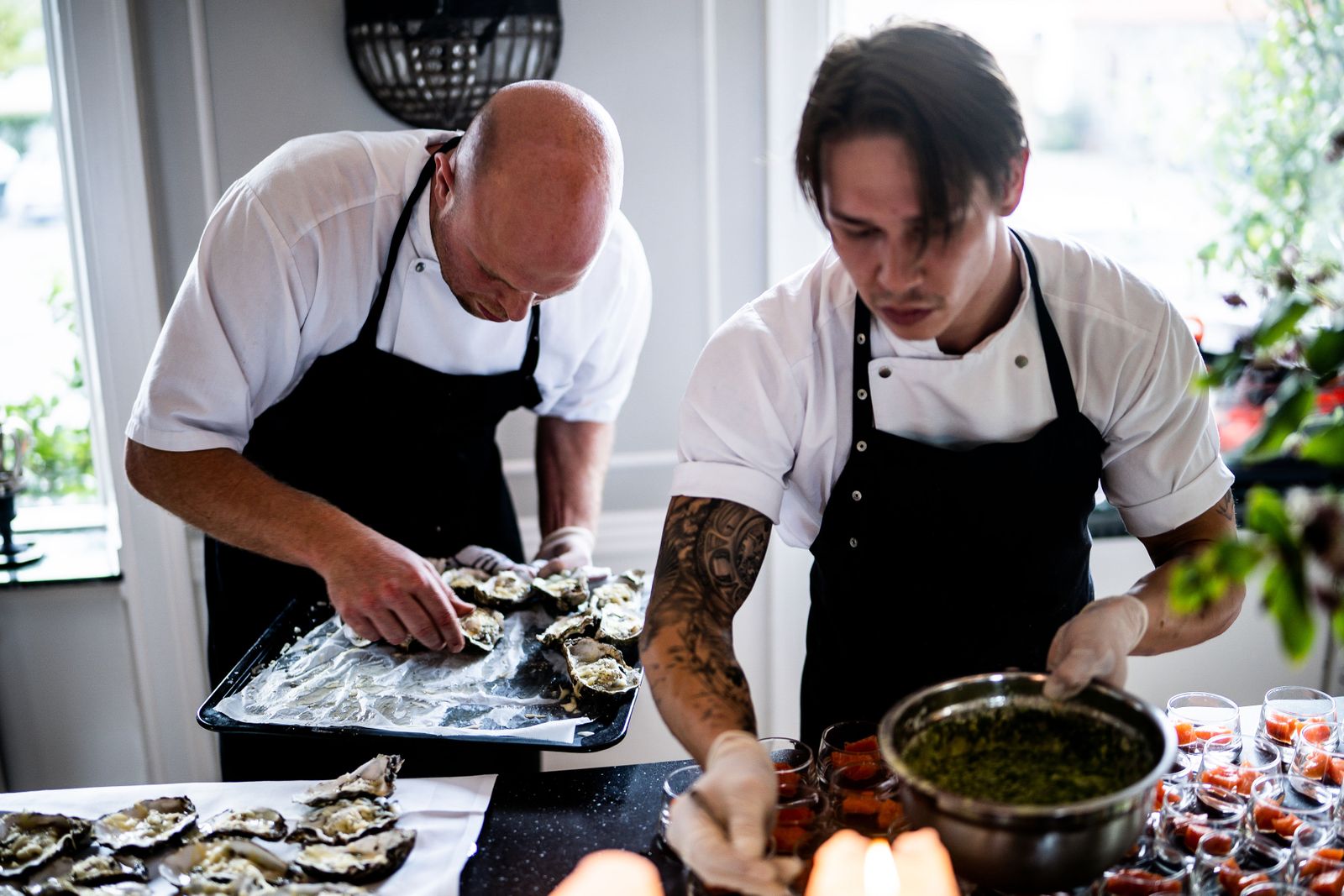
Share preparation priorities, changes and serving status with front of house and the kitchen.
Link a guest to a table, interpret selections and synchronise the order across service, checkout and kitchen. Record preparation, serving and the completed transaction.
Link the party to a queue or table.
Confirm selections, preferences and quantities.
Send instructions and changes to the kitchen.
Report preparation and serving status.
Reconcile order changes and record the transaction.